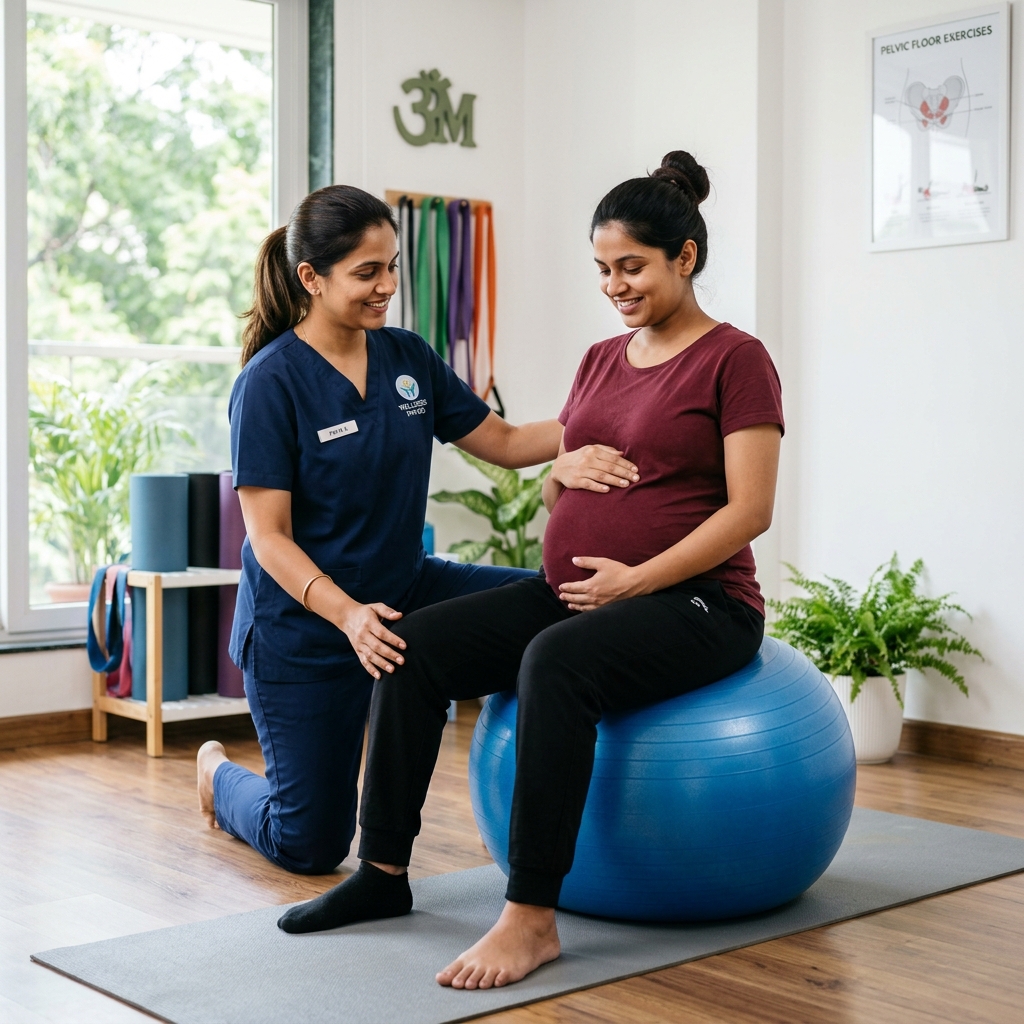
Many women experience lower back pain, pelvic girdle discomfort, and core weakness after childbirth. The mechanical strains of pregnancy, joint laxity caused by hormones like relaxin, and the physical demands of newborn care can stress the spine and pelvic joints.
Why Postpartum Back Pain Occurs
Understanding postpartum pain helps in addressing it effectively. Major contributing factors include:
How Women's Health Physiotherapy Helps
Women's health physiotherapy provides safe, customized rehabilitation to rebuild your body postpartum. Treatment focuses on gentle core re-activation, pelvic floor strengthening (Kegels and functional training), manual therapy to align pelvic joints, and ergonomic guidance for feeding positions. RonEx Physiotherapy in Dehradun offers compassionate, specialized care to support mothers on their postnatal recovery journey.
Frequently Asked Questions
QWhat is Diastasis Recti and can physiotherapy help correct it?
Diastasis Recti is the separation of the left and right abdominal muscles during pregnancy. Physiotherapy corrects it using specific deep core activation exercises while avoiding movements that worsen the gap.
QWhen can a mother start postpartum physiotherapy after a C-section?
Gentle pelvic floor work can start early, but active core strengthening should begin after your 6-week obstetrician check-up. Always get medical clearance first.
QHow does pelvic floor therapy improve lower back stability?
The pelvic floor muscles form the base of your deep core. Working together with the abdominal and back muscles, they create a stable support system for the lumbar spine.
Related Topics
Disclaimer:This article is for informational purposes only and does not constitute medical advice. Individual physiotherapy treatment depends on a clinical assessment of each patient's condition. Consult a qualified physiotherapist for personalised advice and treatment.